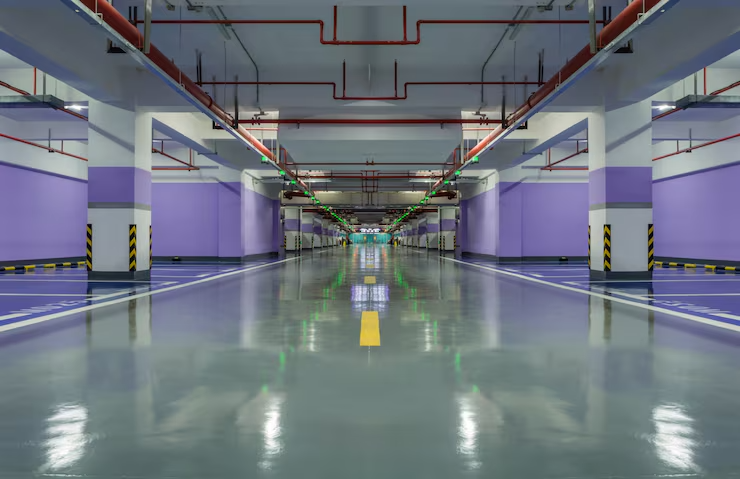
Industrial facilities require flooring systems that can handle constant pressure without compromising performance or safety. Warehouses, factories, automotive facilities, and production plants all experience heavy traffic, equipment movement, chemical exposure, and operational wear every day. Traditional concrete floors often struggle under these conditions, leading to cracks, stains, dust buildup, and costly maintenance issues. Because of this, many businesses are investing in industrial epoxy flooring PA systems to improve durability and long-term floor protection.
Epoxy flooring has become one of the most dependable flooring solutions for industrial spaces because it creates a strong protective layer over concrete surfaces. The result is a seamless, durable, and low-maintenance floor that supports safer and more efficient working environments. Businesses across different industries continue to choose epoxy flooring because it combines performance, cleanliness, and long-term value.

Why Industrial Epoxy Flooring Is Widely Used
Industrial flooring must perform reliably under demanding conditions. Epoxy flooring systems are specifically designed to strengthen concrete while resisting damage caused by daily industrial activity.
Durable Protection for Concrete Surfaces
Concrete floors naturally wear down over time, especially in facilities with heavy machinery and continuous movement. Cracks, chips, and surface deterioration can affect both appearance and safety. Epoxy coatings help protect concrete by forming a hard and impact-resistant surface.
This protective layer reduces floor damage and extends the lifespan of industrial flooring systems, making epoxy a practical long-term investment for facility owners.
Resistance to Chemicals and Spills
Industrial operations often involve oils, grease, solvents, and cleaning chemicals that can damage untreated concrete. Epoxy flooring creates a non-porous barrier that helps resist stains, moisture, and chemical penetration.
Facilities such as automotive workshops, manufacturing plants, and storage facilities benefit from this protection because spills can be cleaned quickly without damaging the floor.
Improved Safety and Visibility
Safety is a major concern in industrial environments. Epoxy flooring systems can be customized with slip-resistant textures to help reduce workplace accidents. In addition, reflective finishes improve visibility by increasing light distribution throughout the facility.
Better visibility can support safer movement for both employees and industrial equipment operators.
Industries That Benefit from Epoxy Flooring Systems
Industrial epoxy flooring is versatile and adaptable to many types of commercial and industrial operations.
Warehouses and Distribution Centers
Warehouses require flooring capable of handling forklifts, pallets, and heavy storage systems. Epoxy flooring provides a smooth and durable surface that supports continuous traffic while reducing dust from untreated concrete floors.
The seamless finish also helps simplify maintenance in large warehouse environments.
Manufacturing and Production Facilities
Manufacturing plants often expose floors to machinery vibration, chemical spills, and impact damage. Epoxy flooring helps protect the concrete underneath while creating a cleaner and more organized workspace.
Some manufacturing facilities also use colored epoxy systems to improve workflow organization and identify safety zones.
Automotive and Mechanical Facilities
Automotive facilities need flooring systems that resist oil, grease, tire marks, and chemicals. Epoxy coatings provide strong resistance against these substances while maintaining a professional appearance over time.
Because epoxy surfaces are easy to clean, automotive businesses can maintain cleaner work environments with less maintenance effort.
Healthcare and Food Processing Facilities
Industries that prioritize hygiene often choose epoxy flooring because of its seamless design and moisture resistance. The smooth surface helps reduce dirt accumulation and supports easier sanitation procedures.
This makes epoxy flooring suitable for healthcare environments, laboratories, and food processing areas where cleanliness standards are essential.
Important Considerations Before Installation
Installing industrial epoxy flooring requires proper planning and preparation to achieve the best long-term results.
Concrete Preparation and Repairs
Surface preparation is one of the most critical steps in the installation process. Concrete must be cleaned, repaired, and free from moisture or contaminants before epoxy application begins.
Without proper preparation, epoxy coatings may fail to bond correctly, reducing durability and performance.
Choosing the Appropriate Coating System
Different facilities have different flooring needs. High-traffic industrial spaces may require thicker coatings, while chemical-heavy environments may need specialized epoxy systems with additional protective properties.
Evaluating operational conditions helps businesses select flooring systems that meet their specific requirements.
Ongoing Maintenance Practices
Although epoxy flooring requires less maintenance than many traditional flooring systems, regular cleaning still improves long-term performance. Routine maintenance helps preserve appearance and reduces wear in high-traffic areas.
Businesses interested in exploring industrial flooring systems and installation options can review additional details through industrial epoxy flooring information.
Long-Term Advantages of Epoxy Flooring
Industrial flooring directly affects productivity, maintenance expenses, and workplace safety. Epoxy flooring continues to gain popularity because it offers several long-term operational benefits.
Reduced Maintenance and Repair Costs
Repairing damaged concrete floors can disrupt operations and increase maintenance expenses. Epoxy flooring protects the surface from common forms of wear, helping reduce the frequency of repairs and replacements.
Cleaner and More Professional Workspaces
Industrial facilities increasingly prioritize cleanliness and organization. Epoxy flooring creates a polished and modern appearance while minimizing dust and surface stains.
This professional appearance can improve both employee work environments and visitor impressions.
Reliable Performance Over Time
One of the biggest advantages of epoxy flooring is its long lifespan when properly installed and maintained. Its durability allows facilities to maintain efficient operations without frequent flooring issues.
Conclusion
Industrial environments demand flooring systems that can handle constant traffic, chemical exposure, and heavy operational pressure. Industrial epoxy flooring PA solutions provide businesses with durable and low-maintenance surfaces designed to support long-term industrial performance.
From warehouses and manufacturing facilities to automotive shops and healthcare environments, epoxy flooring continues to deliver practical benefits across many industries. Its durability, safety features, and easy maintenance make industrial epoxy flooring a dependable solution for businesses seeking stronger and more efficient flooring systems.