Handling Mud, Rain, and Wind with Smarter Rural Outfit Choices Every Season

Every walker knows the moment: the path turns to slurry, a gust finds the gap at your collar, and the forecast you trusted dissolves. Clothing choices decide whether that moment is a nuisance or a ruined day. Well-chosen outdoor menswear anticipates these problems, so this guide focuses on common weather challenges and the practical fixes that keep you comfortable.
Rain Comes First
Rain is the obvious enemy, yet most people misjudge how it gets in. Water usually enters at the neck, the wrists, and the seams rather than through the fabric itself. A storm collar, adjustable cuffs, and a proper hood close those gaps. Waxed cotton and tightly woven wool shed light showers, while a lightweight shell handles sustained downpours when it is packed in a bag and ready to go.
Mud and the Lower Half
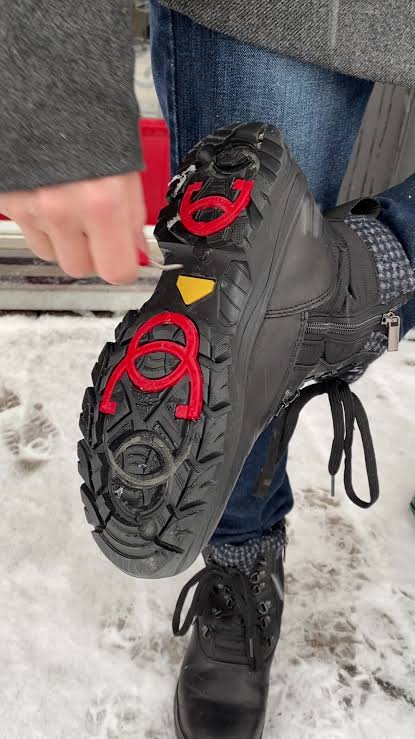
Trousers and boots take the worst punishment. Hard-wearing fabrics used in country clothing for men, such as cotton twill and corduroy, brush clean once dry, whereas delicate weaves hold stains. Gaiters or trouser clips keep hems out of the muck, and boots with deep lugs prevent slips on wet clay. Carry a spare pair of socks, because damp feet end an otherwise good walk faster than any other problem.
Wind Chill and Exposed Ridges
Wind strips warmth faster than cold air alone, so open hillsides demand a windproof outer layer. Tightly woven jackets, a staple of country clothing for men, and fleece-lined gilets block gusts without adding much bulk. A scarf or neck gaiter closes the gap at the collar, and a well-fitted cap stays put when the breeze picks up. Think about exposure before leaving the parking lot, not after the weather has already turned.
Sweat and Overheating
Overdressing causes trouble too. Climbing a steep path in a heavy coat leaves you damp from the inside, and that dampness turns cold at the first rest stop. Choose breathable base layers, open vents where possible, and remove a layer early instead of waiting until you are uncomfortable. Many experienced walkers adjust their layers every half hour, which sounds fussy but prevents most temperature problems before they start.
Drying and Storage Between Trips
Wet kit left in a bag grows musty and wears out sooner. Hang jackets on wide hangers away from radiators, stuff boots with newspaper, and let wool dry slowly in a ventilated space. Heat can crack leather and shrink knitwear, so patience helps. Planning a drying spot at home is as practical as buying the garment itself, and country clothing for men lasts noticeably longer when it is treated this way.
A Wet-Weather Checklist
Before heading out, run through a short list:
- A hood or cap that stays secure
- Waterproof boots with good grip
- Spare socks in a dry bag
- An extra insulating layer
- Reproofing spray or wax waiting at home
Checking these takes less than two minutes and prevents the most common complaints about rainy days outdoors. Quality outdoor menswear performs best when you also prepare yourself, since no garment can make up for missing basics.
Choosing One Item to Upgrade
If a full overhaul is out of reach, upgrade the item that fails you most often. For many people that is the jacket, though boots and socks come close. A single dependable piece makes bad weather bearable and shows you which qualities matter before you spend on the rest. Pay attention to fit and weight as well, because outdoor menswear that feels clumsy tends to stay in the wardrobe.
Conclusion
Weather rarely cooperates, but the right preparation turns it into a manageable detail. Seal the gaps, protect the lower half, manage your warmth, and dry everything properly. Treat these habits as part of the wardrobe and country clothing for men will serve you through whichever season arrives, while good outdoor menswear gives you confidence when the sky changes its mind.









Post Comment