Shoring, Drilling, and Concrete: What Contractors Wish They’d Known Sooner
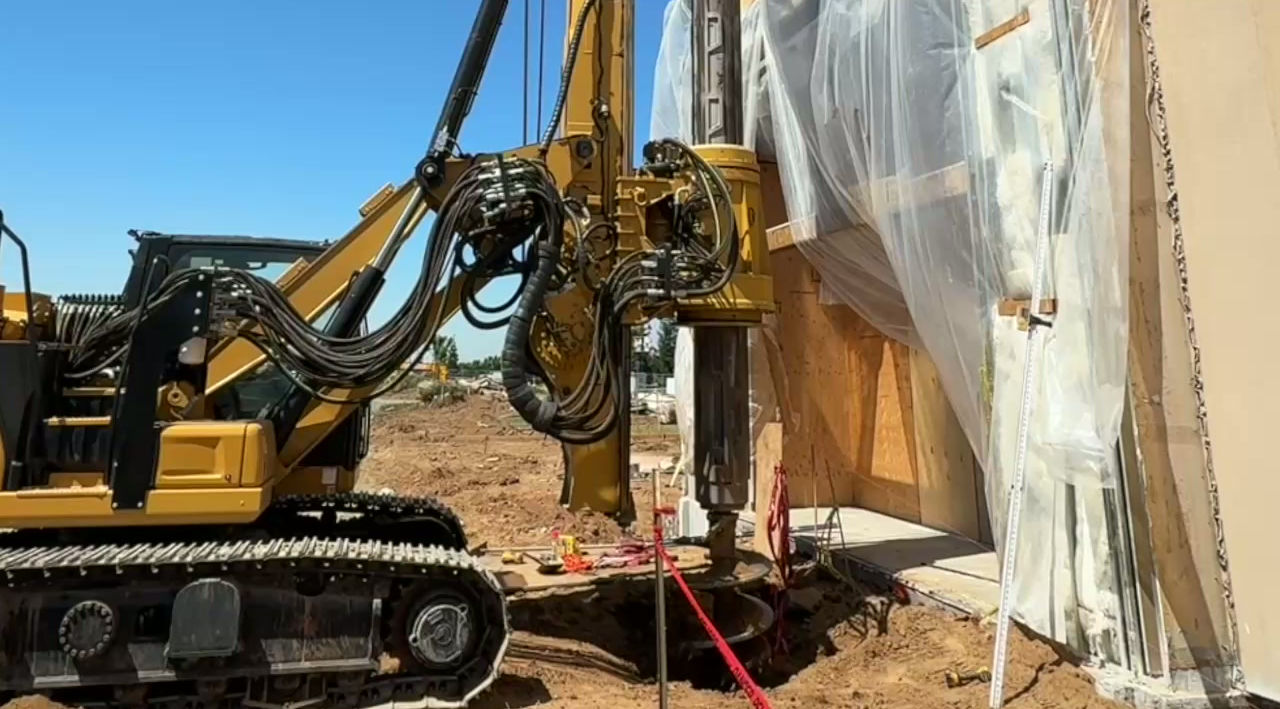
Picture a downtown lot. There’s a deep hole on one side and an occupied building on the other. The schedule is tight, the neighbors are watching, and the superintendent is looking at the dirt wall thinking, “What exactly is holding that up?”
On a lot of commercial jobs, the answer is shoring. Nobody puts it in the brochure, and nobody posts photos of it. But when it’s done well, the job runs smoothly. When it’s done badly, everybody hears about it.
Quick answer: shoring is a temporary support system that holds back soil or braces a structure while you build below grade. Commercial projects use it for deep excavations, tight city sites, and work next to existing buildings. You get the best results from a specialty contractor with strong crews, the right equipment, and real design experience.
So, What Does Shoring Actually Do?
Let’s keep it simple. If you’ve ever wondered what is shoring in construction, it’s the support that keeps the ground and the buildings around it from moving while you dig and build. Without it, an open excavation can shift, slump, or undermine whatever sits next to it. Not a great day.
You’ll usually see shoring on jobs with:
- Deep excavations for basements, parking levels, or foundations
- Tight property lines where there’s no room to slope the sides back
- Neighboring buildings that can’t afford any movement
- Unreliable soil that won’t stand on its own
Think of it as a safety net you put in place before the real work begins.
Why It’s Never Just One Trade
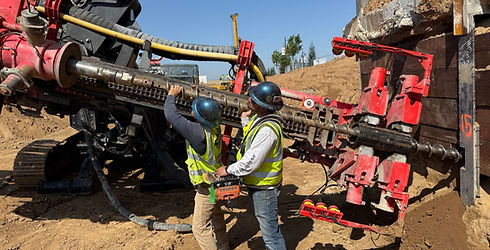
Here’s something most GCs learn the hard way: shoring doesn’t live alone. It connects to drilling, structural work, and concrete, and the handoffs between those crews are where schedules love to slip. One crew finishes late, another builds to a slightly different assumption, and suddenly you’re the one sorting it out.
That’s why plenty of general contractors like working with a specialty contractor who covers several of those scopes. Fewer handoffs, fewer surprises, and one team standing behind the result instead of three pointing at each other.
What a Good Specialty Contractor Looks Like
Not every sub is built the same. Here’s what tends to separate the ones you call again from the ones you don’t:
- They know your kind of project. Commercial work isn’t residential work with bigger numbers.
- They self-perform. Their own crews and their own equipment mean more control over schedule, quality, and safety.
- They can design and build. When the engineering and the field team talk early, problems get caught on paper instead of in the dirt.
- They know the region. Soil, permits, and site conditions in the Bay Area and the Central Valley can be very different.
- They keep you in the loop. You shouldn’t have to chase anyone for an update.
What Happens After the Hole Is Stable
Once the excavation is under control, structural and concrete work take over. Foundations, retaining elements, and slabs all depend on the ground being prepared properly. If one contractor understands how the early work affects the later work, you see it in cleaner sequencing and fewer rework days.
When below-grade conditions get complicated, many project teams start by searching for structural engineering services to help them think it through. What matters most is finding a partner who can connect the design thinking to what the crews actually build.
Why Self-Performing Is a Big Deal
When a contractor hires out every piece of the job, they’re managing other people’s schedules. When they self-perform, the crew on your site works for the company you hired. In real life, that usually means:
- Faster responses when conditions change
- The same standards from start to finish
- Clear accountability if something needs fixing
- Better coordination with your superintendent
None of it is flashy. It’s just the kind of reliability that keeps a job moving.
Questions Worth Asking Before You Hire
- Do you self-perform, or will parts of this get subbed out?
- Can you handle both design and build on shoring?
- Which scopes can you cover together to cut down on handoffs?
- Where do you work regularly?
- How will you keep us updated as the job moves?
The right partner makes the foundation feel like a solved problem. You focus on the schedule and the client, and you know what’s underground is handled.
Frequently Asked Questions
- What is shoring used for on a commercial project?
It holds up soil or nearby structures while crews excavate and build below grade. That keeps the site stable, protects the neighbors, and gives everyone a safe place to work. Once the permanent structure can carry the load, the temporary support can come out.
- When does a project need shoring?
Usually when the excavation is deep, the site is tight, or other buildings are close by. Weak soil can also call for it. If you can’t safely slope the sides of the excavation, shoring is probably part of the plan.
- What’s the difference between a subcontractor and a design-build contractor on shoring?
A subcontractor builds the system from a design someone else prepared. A design-build contractor does both the design and the construction. That usually means less back-and-forth and a smoother schedule.
- Why would a GC pick a contractor who self-performs?
Because you get more direct control over the people and equipment on your job. There are fewer layers between your team and the crew, so coordination, safety, and quality are easier to manage.
- How early should a shoring contractor come on board?
The earlier, the better. If they join during planning, they can flag soil and site issues before they turn into expensive surprises. Early input also helps the shoring, drilling, structural, and concrete work line up so each phase leads smoothly into the next.








Post Comment