Stainless Steel Lunch Box Features That Make Real Differences
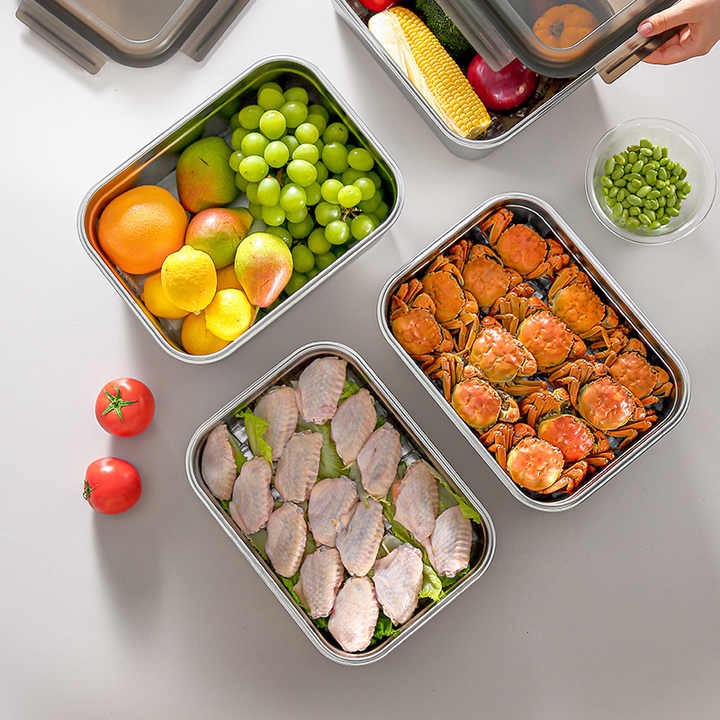
Buying a stainless steel lunch box seems simple until you realize there are dozens of options and the differences between them actually matter. The lid seal, the compartment design, the material grade, the ease of cleaning, all of these factors determine whether your new lunch box becomes your favorite daily tool or sits forgotten in a drawer after a few uses.
What Should You Look for in a Stainless Steel Lunch Box Lid?
The lid is the most important part of any lunch box. It’s responsible for keeping food inside, keeping air and outside contaminants out, and surviving repeated opening and closing without cracking or losing its grip. A quality stainless steel lunch box lid uses a silicone gasket or rubber seal around the edge that creates a truly airtight, leak-proof closure.
The locking mechanism matters too. A flimsy clip that pops open in your bag is a disaster waiting to happen, especially when you’re packing something wet or saucy. Look for a lid that clips firmly on all sides and requires some deliberate effort to open. That resistance is a feature, not a flaw.
Why Does the Interior Design of a Lunch Box Affect How You Eat?
If you think about how most people pack lunch, they’re usually bringing together a few different components. Rice and a protein. A salad and a wrap. Fruit alongside a main dish. Without any interior separation, those components mix together during transport, which affects both presentation and sometimes flavor when you don’t want your dessert tasting like garlic.
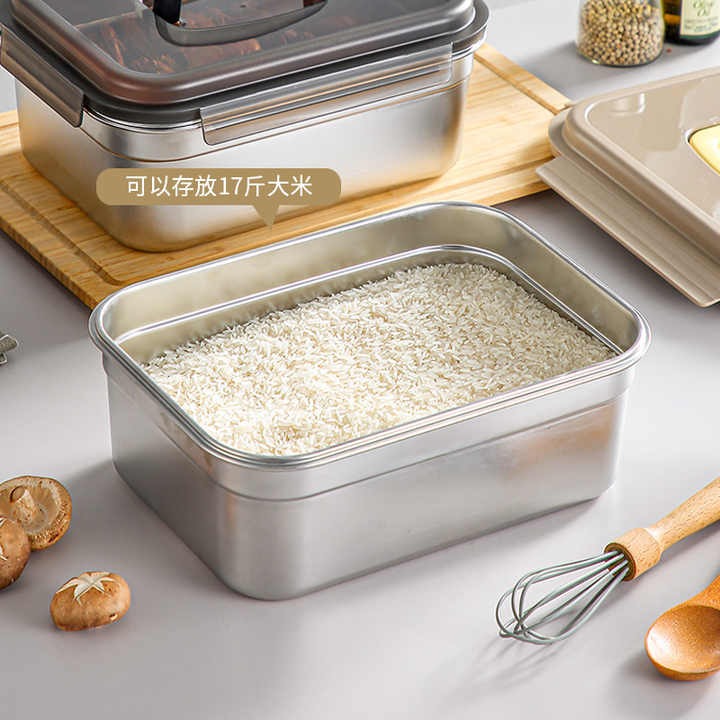
A multi-compartment design solves this by giving each food type its own dedicated space inside the box. Even a single internal divider makes a noticeable difference in keeping your meal organized and visually appealing when you open it.
How Does Material Grade Affect Performance and Safety?
The grade of stainless steel determines its corrosion resistance and food safety. The most widely used food-safe grade is 304 stainless steel, which contains 18% chromium and 8% nickel. This combination makes the steel highly resistant to rust and prevents it from reacting with the acids naturally found in foods like tomatoes, citrus, or vinegar-based dressings.
Metka’s product range, accessible through, reflects their commitment to food-safe materials across their stainless steel product line. The company, established in 2011 and operating from a 10,000 square meter facility in Shantou, Guangdong, produces stainless steel bento boxes described as BPA-free, watertight, and easy to clean, features that point directly to 304-grade or equivalent food-safe steel construction.
Is Ease of Cleaning Actually That Important?
For something you use every single day, cleaning ease is enormously important. A lunch box with tight corners, complex gaskets, or narrow openings becomes a maintenance challenge very quickly. If cleaning it feels like a chore, you’re more likely to skip thorough washing, which creates hygiene problems over time.
Stainless steel has a natural advantage here. The smooth, non-porous surface means food doesn’t stick the way it can in plastic. Hot soapy water and a quick scrub is usually all it takes to get the inside perfectly clean. For the lid and gasket, most quality designs allow the silicone seal to be removed for separate cleaning, which prevents mold or buildup around the edges.
A Scenario That Brings These Features Together
Consider an office worker who packs three to four different foods every morning. They use a stainless steel lunch box with a solid clip lid, a silicone gasket, and one internal divider. Their rice stays on one side, their stir-fried vegetables on the other. The fruit they tossed in a small bag on top stays separate. At lunch, they open the box and everything is exactly where it should be. The box took 45 seconds to wash the night before. This is what good design delivers every single day.
Conclusion
The features built into a hand soap dispenser how much value it adds to your daily routine. A solid seal, smart interior layout, proper material grade, and easy cleaning together create a lunch box that earns its place in your bag every morning. When all these features come together in one well-made product, packing and eating lunch becomes genuinely more pleasant.
FAQ
Q: How long does the silicone gasket on a stainless steel lunch box last?
A: With proper care, a silicone gasket typically lasts several years. Remove it and wash it separately every few weeks to prevent mold buildup and extend its lifespan.
Q: Can a stainless steel lunch box go in the dishwasher?
A: Most food-grade stainless steel lunch boxes are dishwasher-safe, but hand washing preserves the finish and gasket longer. Always check the manufacturer’s guidance for your specific model.
Q: What’s the best way to prevent food smells from lingering in a stainless steel box?
A: Wash it promptly after use and leave the lid off overnight to air dry completely. Stainless steel doesn’t absorb odors, so proper cleaning and drying removes smells entirely.









Post Comment