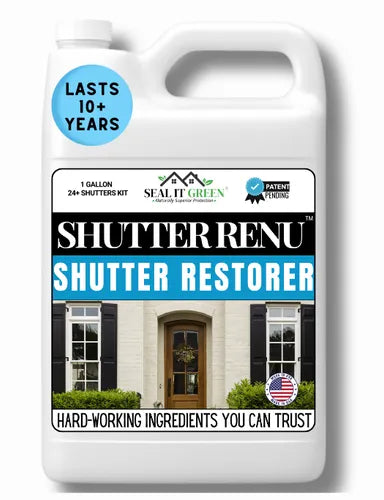
Your home’s exterior makes an impression long before anyone steps inside. Over time, shutters collect dust, pollen, mildew, and stains while painted surfaces begin to fade under sunlight, moisture, and changing weather. The good news is that you do not always need a full repaint or replacement to make everything look fresh again.
Using the right shutter cleaner and paint restorer can dramatically improve curb appeal without the cost of a major renovation. A deep clean removes years of buildup, while restoration products revive color and help surfaces look vibrant again.
Whether your shutters look chalky, dull, or weather-worn, a little restoration work can make them feel new again.
Why Shutter Cleaner Matters Before Any Exterior Restoration Project
Before restoring color, cleaning should always come first. Dirt and oxidation can sit on shutters for years. If you apply restoration products over grime, the finish often looks uneven and does not last as long.
A quality shutter cleaner helps remove:
- Dirt and airborne dust
- Mold and mildew buildup
- Pollen residue
- Water stains
- Surface oxidation
Think of it as preparing a canvas before painting.
For example, black shutters often turn gray from sun exposure and dust buildup. After cleaning, the original tone becomes visible again before restoration even begins.
White shutters can collect green mildew in humid areas, especially around corners and grooves. A cleaner helps lift those stains safely without damaging the surface.

Best Ways to Use Shutter Cleaner for a Deep Exterior Refresh
Cleaning shutters does not have to be complicated.
Start by rinsing the shutters with water to loosen debris. Then apply the shutter cleaner with a microfiber cloth, soft sponge, or soft-bristle brush.
Work from top to bottom and pay close attention to corners, slats, and decorative trim where buildup tends to collect.
After scrubbing, rinse thoroughly and allow everything to dry completely.
Here are a few practical examples:
Example 1: Vinyl shutters near a driveway often collect dust and road residue. A thorough clean can remove that dull film and immediately improve appearance.
Example 2: Homes near trees often get sap mist and pollen buildup. Cleaner helps lift sticky residue without harsh scraping.
Example 3: Older shutters exposed to direct sun may look faded, but cleaning reveals how much color is still underneath before restoration begins.
How Paint Restorer Revives Faded Color Without Repainting
Once surfaces are clean and dry, this is where paint restorer really shines.
Years of UV exposure can make painted or coated surfaces look faded and chalky. Restoration products help bring back richness and depth without requiring a full repaint.
Instead of stripping everything down and starting over, paint restorer refreshes the finish by conditioning and reviving the outer layer.
It is especially helpful for:
- Exterior shutters
- Painted trim
- Doors
- Railings
- Decorative outdoor accents
For example, dark navy shutters that once looked nearly gray can regain depth and shine after restoration. A faded red front door can appear richer and warmer without applying fresh paint.
This makes it ideal for homeowners who want results fast while staying budget-conscious.
Choosing the Right Paint Restorer for Different Surfaces
Not every surface needs the same treatment.
Before applying paint restorer, always check the material and finish type. Vinyl, painted wood, metal, and composite surfaces can all respond differently.
Here are a few helpful guidelines:
- Vinyl shutters often benefit from restorers made specifically to revive UV-faded plastic or composite finishes.
- Painted wood shutters may need a gentler restoration formula designed to refresh painted coatings without softening them.
- Metal shutters or trim may benefit from restorers that also help resist moisture and oxidation.
- Always spot test in a small hidden area before applying to the entire surface.
A Simple Exterior Revival Routine That Works
A great-looking exterior often comes down to a repeatable maintenance routine instead of occasional major repairs.
A practical approach looks like this:
- Wash with shutter cleaner
- Rinse and allow surfaces to dry fully
- Apply paint restorer
- Buff gently with a clean cloth if needed
- Repeat seasonally or annually depending on weather exposure
Homes exposed to intense sunlight may benefit from restoration once or twice a year.
Homes in shaded areas may only need occasional refreshing after seasonal cleaning.
Pro Tip for Longer-Lasting Results
Pro Tip: Clean shutters on a cool morning or cloudy day.
Applying shutter cleaner or paint restorer in direct sunlight can cause products to dry too quickly, which sometimes leads to streaks or uneven coverage.
Working in cooler temperatures gives products more time to perform properly and helps create a cleaner finish.
A microfiber cloth also helps reduce lint and gives a more polished final result.
Small Exterior Details Make a Big Difference
Homeowners often focus on roofs, siding, landscaping, or windows while overlooking shutters and trim. But these smaller details frame the entire house visually.
Fresh-looking shutters can completely change how a home feels from the street.
A restored finish adds contrast, sharpness, and character. It can make siding look brighter, windows look cleaner, and landscaping stand out more.
It is one of the easiest ways to refresh curb appeal without committing to a larger renovation project.
Conclusion
Exterior surfaces naturally fade over time, but fading does not always mean replacement is necessary. With the right shutter cleaner and paint restorer, you can remove buildup, revive color, and extend the life of your shutters and painted exterior details with minimal effort.
From dusty vinyl shutters to sun-faded painted trim, restoration offers a simple way to bring back the clean, polished look your home once had.
A thoughtful clean followed by the right restoration treatment can transform tired surfaces into standout features again, helping your home look brighter, cleaner, and better cared for year-round.