How Quickly Can Emergency HVAC Repair Services Respond?
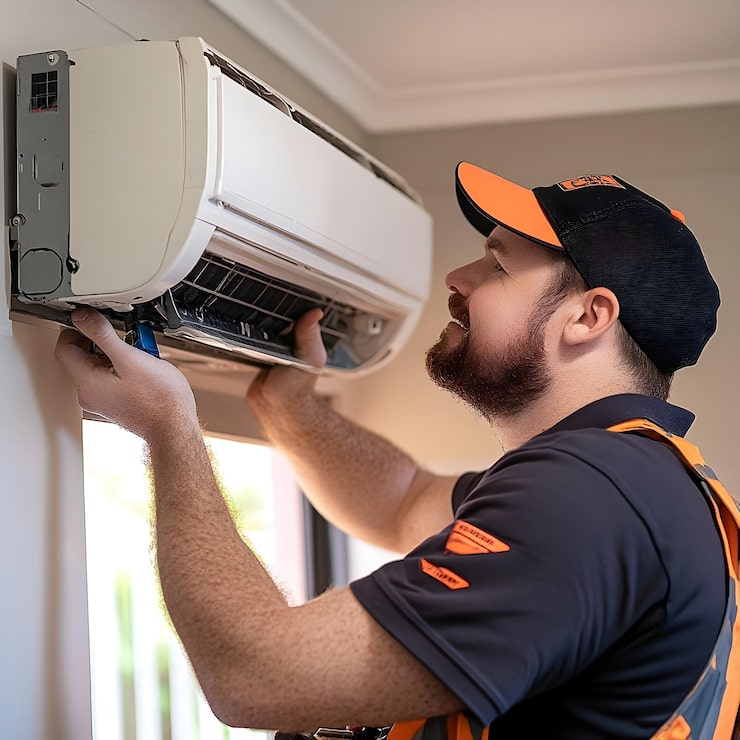
When your cooling system shuts down in the middle of a hot afternoon or your heating fails during a cold night, every minute feels longer than it actually is. That is where emergency HVAC repair becomes critical. Homeowners and business owners often wonder how fast technicians can arrive and restore comfort. The answer depends on several factors, but in most cases, professional services are designed to respond quickly, efficiently, and with the right tools.
In this blog, we will break down realistic response times, what affects them, and how you can ensure faster service when it matters most.
What Is Emergency HVAC Repair And Why Speed Matters?
Emergency HVAC repair refers to urgent heating, ventilation, and air conditioning services required when systems fail unexpectedly. These issues often occur at the worst possible times, such as extreme weather conditions or during peak usage.
A delayed response can lead to more than just discomfort. It can result in property damage, health risks, and increased repair costs. For example, a failed air conditioner during a heatwave can create unsafe indoor temperatures, especially for children and elderly family members. Similarly, a broken furnace in winter can lead to frozen pipes.
Professional HVAC companies understand these risks and prioritize emergency calls to minimize downtime and prevent further damage.
How Fast Can Emergency HVAC Repair Services Typically Respond?
The response time for emergency HVAC repair services can vary, but most reputable providers aim to reach customers within a few hours. In many urban areas, technicians can arrive in as little as 1 to 3 hours. In more remote locations, it may take slightly longer depending on travel distance.
Several companies offer 24/7 services, which means help is available even during late nights, weekends, and holidays. However, response times can fluctuate based on demand and weather conditions.
Common Response Time Expectations
- 1 to 3 hours in high service areas
- 3 to 6 hours during peak seasons
- Same day service in most emergency cases
For example, during a summer heatwave, HVAC companies often receive a surge of calls. While they still prioritize emergencies, the volume can slightly increase waiting times.
Factors That Affect Emergency HVAC Repair Response Time
Understanding what impacts response time can help you set realistic expectations and even speed up the process.
Location And Accessibility
If you live in a city, technicians are usually closer and can respond faster. Rural areas may experience longer wait times due to distance.
Time Of Day
Late night or early morning calls may have fewer technicians available, although most emergency services still operate around the clock.
Weather Conditions
Extreme weather events such as heatwaves or cold snaps increase demand for emergency HVAC repair, which can slow response times.
Availability Of Parts
Sometimes the issue requires specific replacement parts. If the technician needs to source them, the repair process may take longer even after arrival.
How Emergency HVAC Repair Teams Prioritize Calls
Not all service requests are treated equally. HVAC companies typically categorize emergencies based on severity.
For instance, a complete system failure during extreme weather is considered high priority, while minor issues like unusual noise may be scheduled slightly later.
Example:
A family with no air conditioning during a 45 degree Celsius day will likely receive faster service than someone experiencing reduced cooling performance.
This prioritization ensures that the most urgent cases are handled first, improving overall service efficiency.
Pro Tips To Get Faster Emergency HVAC Repair Service
If you want to reduce waiting time and get your system fixed quickly, there are a few smart steps you can take:
Choose a local HVAC provider with 24/7 emergency support
Calling a nearby company increases the chances of faster arrival. Additionally, having a trusted service provider saved in advance can eliminate delays during emergencies.
Pro Tip: Always provide clear and detailed information when calling for service. Mention symptoms, system type, and urgency level so technicians can come prepared.
What Happens After The Technician Arrives?
Once the technician reaches your location, the process usually begins with a quick inspection and diagnosis. Most professionals carry essential tools and commonly used parts, allowing them to fix many issues on the spot.
If the problem is complex, they may offer a temporary solution to restore basic functionality while arranging for a complete repair later.
Example:
If a compressor fails, the technician might stabilize the system temporarily and schedule a follow up visit with the required replacement part.
This approach ensures that your comfort is restored as quickly as possible, even in challenging situations.
How To Prevent HVAC Emergencies In The Future
While emergency HVAC repair services are essential, prevention is always better than cure. Regular maintenance can significantly reduce the chances of sudden breakdowns.
Schedule seasonal inspections, clean or replace filters regularly, and address minor issues before they escalate. Investing in routine maintenance not only improves system efficiency but also extends its lifespan.
Conclusion
Emergency HVAC issues can be stressful, but knowing how quickly help can arrive provides peace of mind. Most emergency HVAC repair services respond within a few hours, depending on location, demand, and severity. By understanding the factors that influence response times and taking proactive steps, you can ensure faster and more effective service when you need it most.
Staying prepared, choosing reliable professionals, and maintaining your system regularly will help you handle emergencies with confidence and ease.










Post Comment