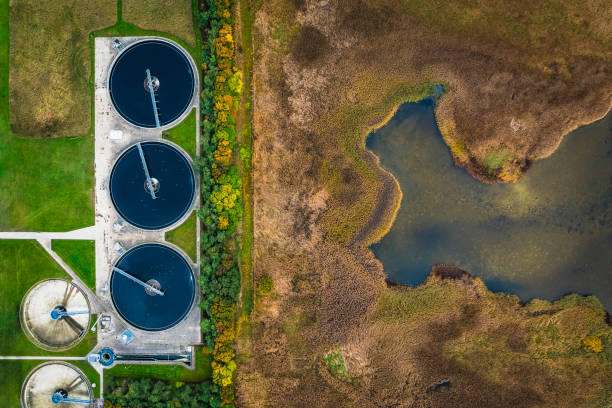
Water is one of the most valuable resources on Earth, yet it is often taken for granted. Growing populations, urban expansion, industrial development, and changing climate patterns are placing tremendous pressure on freshwater sources. As demand continues to rise, ensuring a stable and sustainable water supply has become a global priority.
Effective planning and conservation strategies are no longer optional. They are essential for maintaining ecological balance, supporting economic growth, and meeting the needs of future generations. This is where smart approaches to water usage and protection play a vital role.
Why Water Resource Management Matters More Than Ever
Water resource management is the process of planning, developing, distributing, and protecting water resources to meet current and future needs. It focuses on balancing human requirements with environmental sustainability.
Without proper management, communities may face water shortages, pollution issues, and increased competition for limited supplies. Efficient management helps ensure that clean water remains available for households, agriculture, industries, and natural ecosystems.
For example, many cities around the world have implemented rainwater harvesting systems to reduce dependence on groundwater. These systems capture rainfall and store it for future use, helping communities remain resilient during dry periods.
Key Benefits of Effective Water Planning
- Reduces water wastage and improves conservation efforts.
- Supports agricultural productivity and food security.
- Protects rivers, lakes, and groundwater sources.
- Enhances resilience against droughts and climate challenges.
- Promotes sustainable economic development.
Understanding the Core Principles of Water Resource Management
Successful water resource management depends on several interconnected principles that guide decision-making and long-term planning.
Sustainable Allocation
Water must be distributed fairly among residential, agricultural, industrial, and environmental users. Sustainable allocation prevents overuse and ensures resources remain available for future generations.
Conservation and Efficiency
Reducing unnecessary consumption is one of the most effective ways to preserve water supplies. Modern technologies such as smart irrigation systems, low-flow fixtures, and leak detection tools help improve efficiency.
Pollution Prevention
Protecting water quality is just as important as maintaining water quantity. Industrial waste, agricultural runoff, and improper disposal of chemicals can contaminate valuable water sources. Preventive measures help maintain safe and clean water.
Community Participation
Public awareness and involvement play a significant role in water conservation efforts. Communities that understand the importance of responsible water use are more likely to support sustainable initiatives.
Real-World Examples of Successful Water Management
Several regions have demonstrated how innovative strategies can improve water sustainability.
Singapore’s Water Strategy
Singapore has developed advanced water recycling and desalination technologies to reduce dependence on imported water. Its integrated approach has become a global example of effective resource management.
Australia’s Drought Response
Australia has invested heavily in water-saving technologies and strict allocation systems to manage recurring drought conditions. These efforts have helped improve water security in vulnerable regions.
India’s Rainwater Harvesting Initiatives
Many Indian cities have adopted rainwater harvesting regulations to replenish groundwater levels and reduce water stress. These programs demonstrate how local solutions can create significant long-term benefits.
Pro Tip for Better Water Conservation
Pro Tip: Small changes often create the biggest impact over time. Regularly checking for household leaks, installing water-efficient appliances, and collecting rainwater can significantly reduce overall water consumption without affecting daily comfort.
The Future of Water Sustainability
The future of water security depends on innovation, collaboration, and responsible management. Emerging technologies such as artificial intelligence, smart sensors, and data-driven monitoring systems are transforming how water resources are tracked and managed.
Governments, businesses, and individuals all have a role to play in protecting this critical resource. By combining modern technology with sustainable practices, societies can build stronger and more resilient water systems.
Conclusion
Water is fundamental to life, economic prosperity, and environmental health. As global challenges continue to affect freshwater availability, adopting effective water management strategies becomes increasingly important. Through conservation, technological innovation, pollution control, and community participation, sustainable solutions can safeguard water supplies for generations to come. Investing in water resource management today is one of the most effective ways to ensure a secure and thriving future tomorrow.

