
Mobility needs can vary significantly from one person to another. A wheelchair that works well for one individual may not provide the same level of comfort, positioning, or independence for someone else. Factors such as body measurements, posture, strength, daily routine, environment, and long-term mobility goals all influence which wheelchair configuration is appropriate.
This is where a customized wheelchair can make a meaningful difference. Instead of selecting a standard chair based only on general specifications, customization allows important features to be considered around the individual user. Combined with carefully planned mobility solutions, this approach can help users navigate daily activities with greater comfort, control, and confidence.
Why Choose a Customized Wheelchair?
A wheelchair is more than a method of getting from one location to another. For many users, it becomes an important part of daily life. Spending several hours in an unsuitable chair may contribute to discomfort, poor positioning, difficulty with transfers, or challenges when reaching and performing routine tasks.
A customized wheelchair can be configured around specific requirements rather than expecting the user to adapt completely to a standard design.
Personalized Fit and Positioning
Measurements such as seat width, seat depth, back height, and footrest position can influence how comfortably a person sits and moves. Proper positioning can also make it easier to maintain a stable posture during everyday activities.
For example, someone who spends most of the day working at a desk may need a different configuration from someone who primarily uses a wheelchair outdoors.
Supporting Daily Activities
Wheelchair requirements are often connected to lifestyle. A person who frequently travels may prioritize portability and transportation, while another user may require advanced seating features for extended daily use.
Customization can consider factors such as:
- Seating and positioning requirements
- Wheelchair weight and portability
- Indoor and outdoor environments
- Propulsion method
- Transfer needs
- Pressure management requirements
- Foot and leg positioning
- Accessories and support components
Considering these factors together can create a wheelchair setup that better reflects the person’s routine.
How Mobility Solutions Can Address Different Lifestyle Needs
Effective mobility solutions are not limited to choosing a wheelchair model. They involve understanding how the individual moves through their home, workplace, community, and other environments.
For example, a wheelchair user may need to move across narrow indoor spaces, access ramps, travel in a vehicle, or spend extended periods outdoors. Each environment can create different requirements.
Matching Mobility Solutions to the User
The right mobility approach begins with the user’s actual needs. A detailed assessment can help identify where additional support may be beneficial.
Consider a user who has limited upper-body strength. A manual wheelchair that requires frequent self-propulsion may not be the most practical option for every situation. Depending on the person’s assessment and goals, a power mobility option may provide a more suitable way to manage daily movement.
Similarly, an active user who regularly travels independently may have different priorities, such as maneuverability, lightweight construction, or easy transportation.
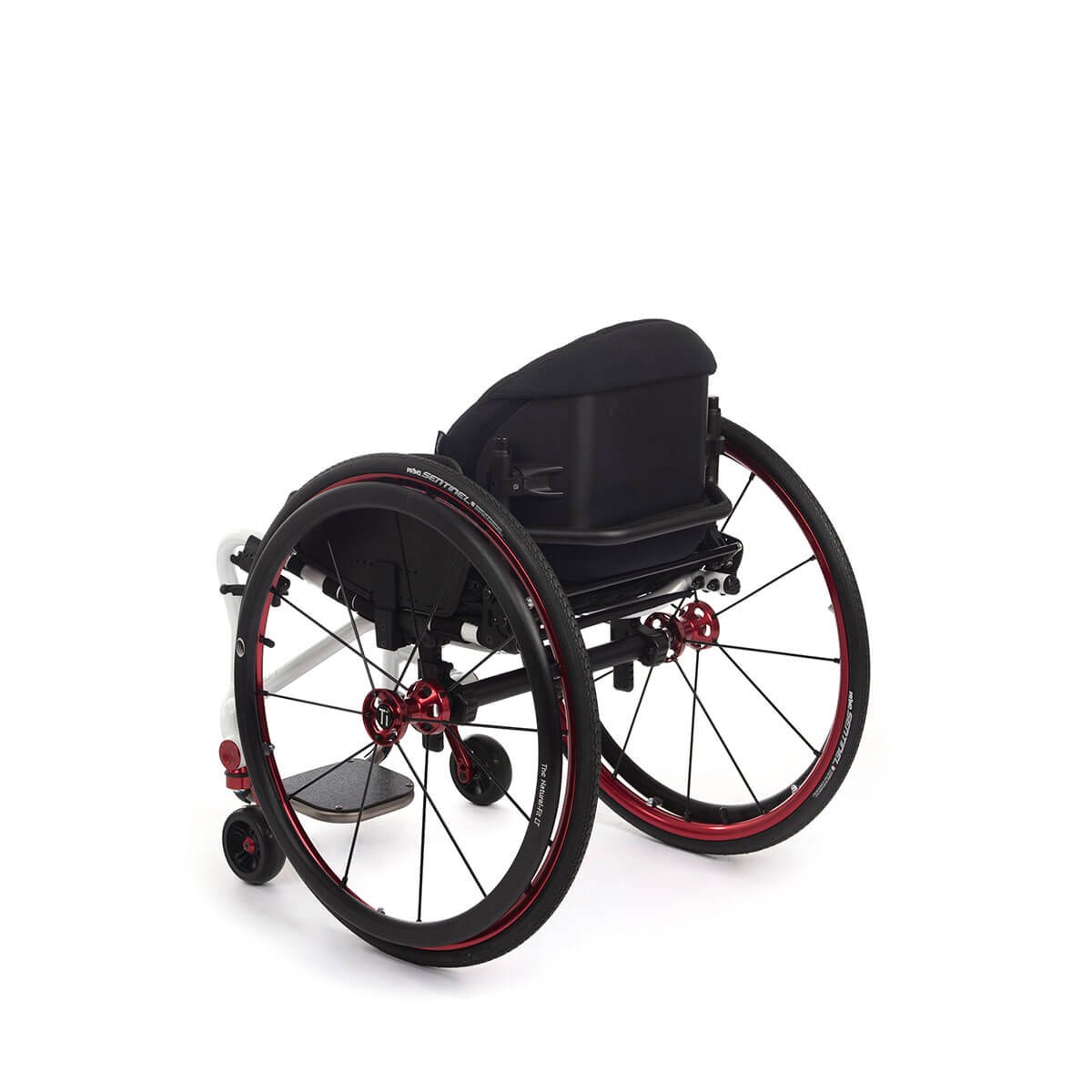
Examples of Customized Wheelchair Requirements
Different users can benefit from very different wheelchair configurations.
Example 1: Full-Day Wheelchair User
Someone who spends most of the day in their wheelchair may place greater importance on seating comfort, positioning, pressure management, and adjustability. A configuration designed around prolonged use can help address these requirements.
Example 2: Active Community User
A person who regularly visits shopping centers, parks, workplaces, or public spaces may prioritize maneuverability, durability, and ease of transportation. Their wheelchair may need to perform reliably across different environments.
Example 3: Pediatric User
Children’s mobility needs can change as they grow. A wheelchair configuration may therefore need adjustable components or features that accommodate physical development and changing functional requirements.
Example 4: User With Complex Positioning Needs
Some individuals require additional postural support because of differences in trunk, hip, or lower-extremity positioning. Specialized seating components can be considered as part of an individualized setup.
These examples demonstrate why there is no single wheelchair configuration that is suitable for everyone.
What Should You Consider Before Selecting a Wheelchair?
Choosing mobility equipment should involve more than comparing product photographs or prices online. The user’s functional abilities, environment, comfort requirements, and future needs should all be considered.
Think about where the wheelchair will primarily be used. Will it be used mostly inside the home, outdoors, or in both settings? How often will it be transported? Does the user have sufficient strength to operate a manual wheelchair independently? Are additional seating or positioning components required?
It is also useful to consider whether the equipment can be adjusted as needs change. A wheelchair that can accommodate evolving requirements may provide greater long-term practicality than a configuration selected only for current circumstances.
Pro Tip
Pro Tip: Before choosing mobility equipment, make a simple list of the user’s most common daily activities and the environments where the wheelchair will be used. Sharing this information with a qualified mobility professional can make the assessment more focused and help identify features that genuinely support everyday independence.
Why Professional Assessment Matters
A wheelchair should fit the individual rather than simply fit within a particular product category. Professional assessment can help evaluate posture, body measurements, functional abilities, seating requirements, and environmental challenges.
This process can also help identify whether a manual wheelchair, power wheelchair, specialized seating system, or another mobility option may be appropriate for the individual’s circumstances.
A well-planned approach can reduce the likelihood of selecting equipment based solely on appearance or general specifications. It also creates an opportunity to consider how the equipment will support the user across different aspects of everyday life.
Conclusion
Choosing the right wheelchair involves understanding the person behind the equipment. A customized wheelchair can address individual requirements related to fit, positioning, comfort, and daily functionality, while comprehensive mobility solutions can help users navigate the environments that matter most to them.
From active community users to individuals with complex seating needs, every mobility journey can be different. By focusing on personal requirements, professional assessment, and practical daily use, wheelchair selection can become a more informed process designed around greater comfort, functionality, and independence.