Maintaining an impenetrable operational barrier within today’s high-capacity thermal processing complexes requires absolute visibility over active burner envelopes. When plant engineering teams focus exclusively on balancing basic steam cycles, electrical grids, or mechanical loading docks, they often overlook the hidden threat of fuel-rich furnace build-ups. Moving past conventional manual inspection workflows allows multi-regional utility groups to establish proactive optical tracking networks that identify unstable fuel mixtures before they cause structural damage, permanent infrastructure downtime, or regulatory non-compliance.
Every thermal cell operating inside a heavy industrial refinery acts as a high-stakes environment where minor shifts in gas density can lead to systemic failures. Engineering management teams must realize that standard computerized flow meters alone cannot verify if a flame is burning safely. By introducing continuous optical inspection frameworks directly into the combustion chamber, modern grid managers can protect their physical plant capital while simultaneously increasing total baseline thermal output efficiency.

Neutralizing Combustion Exposure with Optical Sensor Architectures
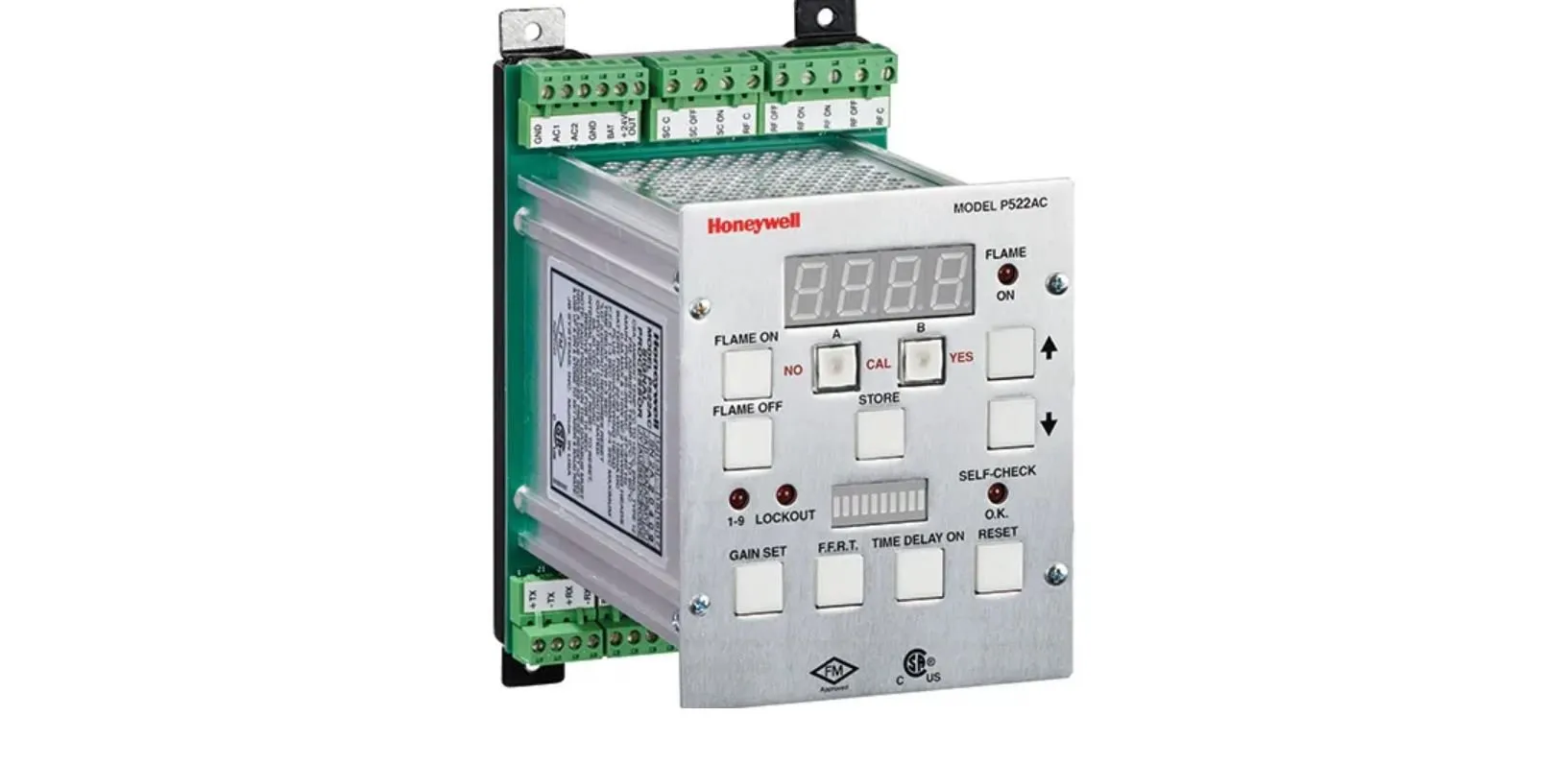
Establishing an automated, non-invasive observation framework right at the center of the burner cell prevents unburned gas or pulverized fuel dumps from remaining undetected. Implementing a high-performance flame scanner layout provides control room operators with real-time telemetry regarding ultraviolet emission levels, dynamic infrared flicker rates, and internal cell pressure variations. This continuous localized intelligence allows safety automation loops to execute rapid fuel isolation steps, neutralizing volatile accumulation routes long before a hard start occurs.
Furthermore, the implementation of dynamic light-spectrum analysis ensures that background radiation from glowing refractory bricks does not fool the automated operating system into registering a false-positive reading. When industrial boilers switch between diverse fuel states, such as natural gas, heavy crude oils, or processed chemical waste, the optical parameters change immediately. Modern scanning equipment automatically adjusts its internal sensitivity settings to track these shifting light wavelengths, ensuring that the critical core of the flame remains perfectly mapped throughout the entire production shift.
Safeguarding Heavy Utilities Through Certified System Sourcing
Establishing a highly reliable hardware connection on a dedicated enterprise trade network takes just a few clicks. Sourcing a robust Honeywell flame scanner assembly through a secure technical procurement catalog gives refinery asset managers an organized database to verify factory safety ratings. Commercial facility coordinators simply verify their institutional accounts to review heavy-duty viewing heads, specialized signal processors, and replacement fiber optic bundles, allowing procurement directors to secure critical safety components safely.
By operating entirely within a verified commercial sourcing architecture, corporate utilities bypass the standard distribution bottlenecks that frequently delay major structural upgrades. Logistics coordinators can easily cross-reference factory specifications, compliance papers, and regional emissions approvals across multiple manufacturing lines simultaneously. This transparent procurement pipeline ensures that engineering groups receive identical, field-tested components that integrate instantly into legacy control panels without requiring expensive on-site wiring changes.
Conclusion
Consolidating industrial furnace protection assets under an organized digital workspace prevents unexpected shutdown delays for high-volume energy manufacturing plants. Keeping all instrumentation records, NFPA test charts, and sensor sensitivity settings filed together simplifies mandatory regulatory safety updates across multiple states. This proactive tracking approach ensures that forward-thinking operations managers maintain steady production targets while operating completely within strict modern plant safety codes, ultimately protecting corporate assets from volatile market shifts and sudden operational liabilities.