
Industrial facilities depend on reliable combustion systems to maintain productivity, efficiency, and workplace safety. From oil refineries and natural gas processing plants to power generation facilities and emissions management systems, stable combustion is critical to daily operations. A single flame failure can create serious operational challenges, including equipment damage, production downtime, environmental concerns, and safety hazards. To prevent these issues, industrial operators rely on advanced monitoring technologies that continuously verify combustion activity and provide immediate response when abnormalities occur. One of the most important tools used in modern industrial environments is a flame monitor, which helps ensure safe and efficient combustion across a wide range of applications.
For more than 20 years, Diamond Systems has supplied Honeywell Iris industrial flame scanners and Flame Monitor products to customers throughout the United States. The company serves oil and gas refineries, power plants, and industrial facilities by providing dependable monitoring equipment and engineered solutions that help maintain safe combustion processes. With extensive industry experience and nationwide shipping capabilities, Diamond Systems continues to support organizations seeking reliable combustion safety solutions.
Understanding the Importance of Flame Monitoring
Industrial combustion systems play a vital role in heating, manufacturing, processing, and power generation operations. Equipment such as burners, furnaces, boilers, process heaters, and flare stacks requires continuous flame verification to ensure safe operation. When a flame becomes unstable or goes out unexpectedly, fuel may continue entering the system without being burned. This situation can create dangerous conditions that increase the risk of fires, explosions, environmental incidents, and costly equipment damage.
Flame monitoring systems are designed to eliminate these risks by continuously verifying flame presence in real time. Operators receive immediate information regarding combustion conditions, allowing them to identify potential issues before they become major problems. If flame loss occurs, monitoring systems can activate alarms, initiate shutdown procedures, and trigger corrective actions to protect personnel and equipment. This proactive approach improves safety while helping facilities maintain uninterrupted operations.
How Industrial Flame Monitoring Works
Modern flame monitoring technology uses advanced sensing methods to detect the presence and stability of combustion. Many systems utilize ultraviolet (UV) and infrared (IR) detection technologies capable of identifying the unique characteristics of industrial flames. These sensors continuously monitor combustion activity and communicate with facility control systems.
When a burner operates normally, the monitoring system confirms flame presence and indicates safe operation. If combustion conditions change or the flame is extinguished, the system responds immediately by sending alerts or activating safety controls. This rapid response capability helps operators prevent hazardous situations and maintain better control over industrial processes. Reliable monitoring technology is essential for facilities that prioritize operational safety and regulatory compliance.
Benefits for Oil Refinery Operations
Oil refineries operate complex combustion systems that require continuous monitoring to ensure safe performance. Industrial burners, process heaters, furnaces, and flare systems are used throughout refinery operations and must function reliably under demanding conditions. Any interruption in combustion can affect production efficiency and create significant safety concerns.
Advanced flame monitoring systems help refinery operators maintain visibility into combustion performance at all times. By detecting flame instability quickly, these systems reduce the risk of unburned fuel accumulation and help prevent gas leaks. Operators can identify potential issues early and take corrective action before problems impact production. This capability improves operational efficiency, reduces maintenance costs, and supports compliance with industry safety regulations.
Many refinery operators in South Texas, West Texas, southeastern New Mexico, North Dakota, Montana, Pennsylvania, Ohio, and West Virginia rely on dependable flame monitoring solutions to support safe operations. Diamond Systems provides products and expertise that help facilities achieve these goals.
Supporting Safety in Natural Gas Facilities
Natural gas processing facilities face unique safety challenges because unburned gas can accumulate rapidly when combustion systems fail. If flame loss is not detected immediately, dangerous conditions can develop that increase the risk of fire or explosion. Continuous monitoring is therefore critical to maintaining safe operations.
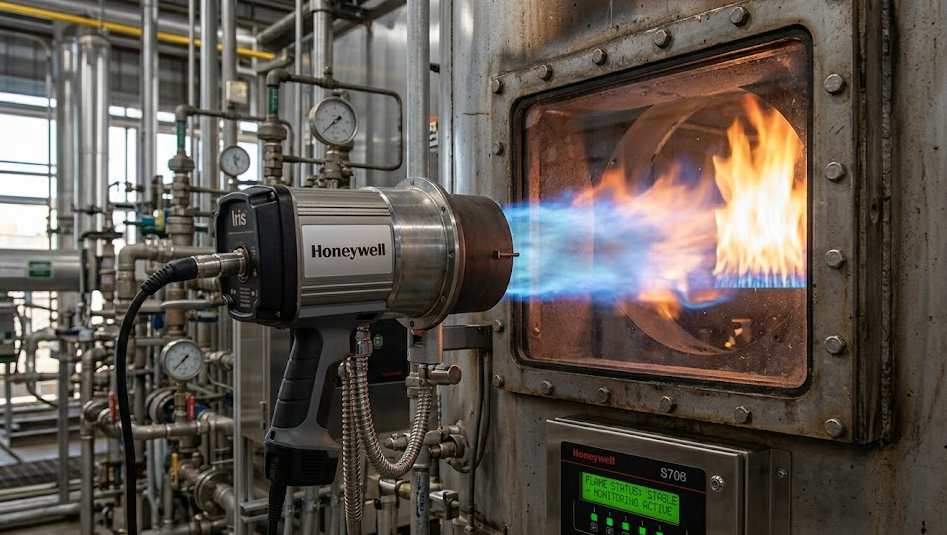
A reliable flame scanner works alongside monitoring systems to verify burner performance and detect combustion abnormalities in real time. Immediate detection allows operators to activate safety procedures before hazardous conditions develop. By preventing dangerous gas buildup and supporting regulatory compliance, advanced flame monitoring solutions play an important role in protecting workers, equipment, and production assets.
Improving Reliability in Power Generation
Power generation facilities rely on combustion systems to produce electricity efficiently and consistently. Unexpected burner failures can lead to downtime, reduced production output, and increased maintenance expenses. To avoid these issues, power plants incorporate advanced flame monitoring systems into their operational strategies.
Continuous flame verification helps plant operators identify combustion irregularities before they affect performance. Early detection allows maintenance teams to address issues quickly, reducing downtime and protecting valuable equipment. Improved monitoring also supports better fuel utilization and contributes to stable power generation. These advantages make flame monitoring an essential component of modern power plant operations.
Applications in Emissions Management Systems
Environmental compliance is a major priority for industrial organizations. Emissions management systems, vapor recovery units, and production equipment require accurate combustion monitoring to ensure proper operation and meet regulatory standards. Reliable flame verification helps these systems function efficiently while supporting environmental goals.
Diamond Systems supplies instrumentation controls and flame monitoring products that are integrated into equipment used throughout the oil and gas industry. The company has completed significant projects with Cimarron Energy and supports applications involving organizations such as Pesco and Forum Energy Technologies. These companies depend on advanced technologies to improve emissions control, optimize production efficiency, and maintain safe operations. Reliable flame monitoring remains a key part of these solutions because it helps ensure proper combustion performance under demanding operating conditions.
Key Advantages of Advanced Flame Monitoring Systems
Industrial facilities benefit from flame monitoring systems in several ways. Continuous flame verification improves workplace safety by reducing the likelihood of hazardous combustion failures. Facilities also benefit from reduced downtime, lower maintenance costs, improved equipment protection, and enhanced operational efficiency.
In addition, flame monitoring systems help organizations comply with industry regulations and safety standards. Accurate monitoring provides greater visibility into combustion conditions, allowing operators to make informed decisions and respond quickly to changing situations. These benefits contribute to safer and more productive industrial operations.
Why Industrial Operators Trust Diamond Systems
Selecting the right flame monitoring supplier is essential for long-term success. Diamond Systems has built a strong reputation by providing high-quality Honeywell Iris flame scanner and monitoring products backed by decades of industry expertise. Customers trust the company because of its commitment to product quality, technical support, and responsive service.
For more than two decades, Diamond Systems has supported oil, gas, and power generation facilities with dependable combustion monitoring solutions. The company understands the challenges faced by industrial operators and provides products designed to improve safety, compliance, and operational performance. Nationwide shipping capabilities ensure customers across the United States have access to reliable monitoring equipment when they need it.
Conclusion
Flame monitoring technology plays a critical role in maintaining safe and efficient industrial operations. By continuously verifying combustion activity and responding quickly to flame-related issues, these systems help reduce operational risks, improve workplace safety, and support regulatory compliance. Industries such as oil refining, natural gas processing, power generation, and emissions management rely on dependable flame monitoring solutions to protect personnel, equipment, and production processes. With more than 20 years of experience supplying trusted flame monitoring products, Diamond Systems continues to help industrial facilities operate safely and efficiently throughout the United States.
FAQ
What is a flame monitor used for?
A flame monitor is used to continuously verify flame presence in industrial combustion systems and ensure safe burner operation.
How does a flame scanner improve industrial safety?
A flame scanner detects flame loss or instability in real time, allowing operators to take immediate corrective action and prevent hazardous conditions.
Which industries use flame monitoring systems?
Oil refineries, natural gas facilities, power plants, emissions management operations, and other industrial facilities commonly use flame monitoring systems to improve safety and reliability.